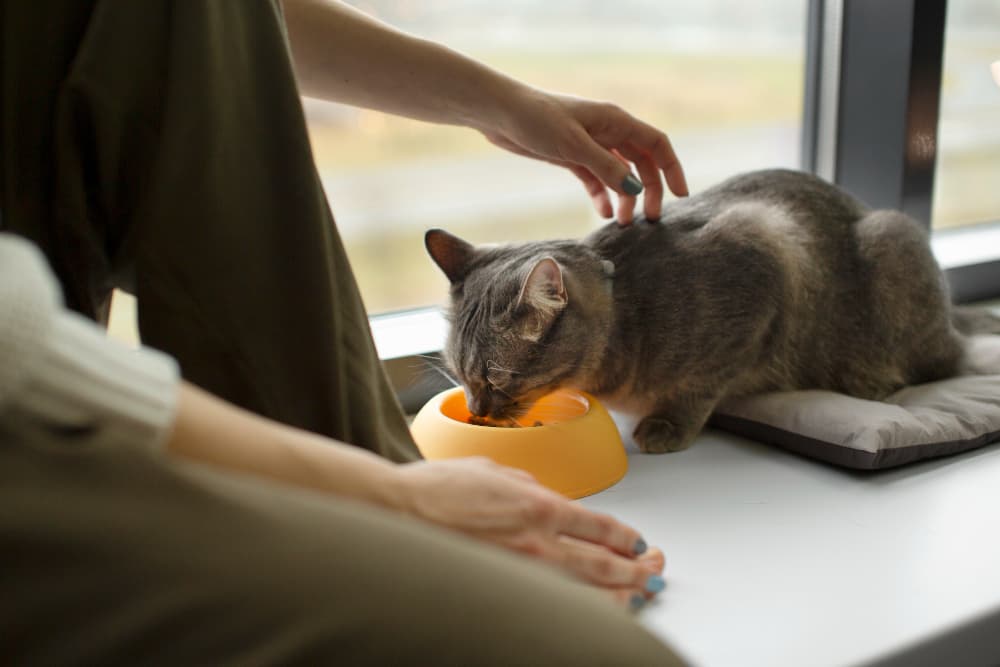
Cat drop-in visits once or twice a day: how do you decide?
A practical framework for choosing cat visit frequency based on age, health, feeding, behaviour and the length of each visit.
Lees in het Nederlands →Visit frequency should not be chosen from a generic rule or price alone. A healthy adult cat with a predictable routine may have different needs from a kitten, an older cat or a cat that requires medication. The quality and duration of each visit matter too.
Use your cat's normal day as the starting point. Then decide which tasks and observations must happen at each visit, and whether the time between visits is appropriate for that individual animal.
When one daily visit may be considered
One visit may be discussed for an independent, healthy adult cat whose feeding and care can be handled safely within that routine. The visit should still include more than topping up bowls: the sitter needs time to check the cat, refresh water, manage litter and notice changes.
A single visit creates a longer interval before the next check. Consider temperature, feeding method, toileting, activity and how your cat behaves when alone before deciding that this is suitable.
When two or more visits may fit better
More frequent visits may be appropriate when meals are spread across the day, medication has a schedule or the cat benefits from closer observation. Kittens, senior cats and animals with health needs often require an individual plan.
Social behaviour also matters. A cat that actively seeks human contact or becomes unsettled during long absences may benefit from additional interaction, even when basic food and litter tasks could technically fit into one visit.
- Age and current health
- Meal frequency and food storage
- Medication or monitoring needs
- Social contact and activity level
- Time the cat is alone between checks
Define what happens during every visit
Frequency is meaningful only when each visit has a clear scope. Write the tasks in order and identify what the sitter should observe. Eating less, unusual litter use, hiding or a change in energy can be relevant information.
Agree how the sitter records the visit. A short update can confirm arrival, completed tasks and the cat's condition. If something is unusual, the message should explain what was observed rather than simply saying the cat is fine.
- Fresh food and water according to instructions
- Litter cleaning and a basic toileting check
- Visual wellbeing and behaviour observation
- Play or calm interaction when the cat wants it
- A clear message or photo update
For medical care or uncertainty about safe visit intervals, ask your veterinarian for advice tailored to your cat.
Adjust the plan for the length of your trip
A routine that seems manageable for a short absence may need review for a longer trip. Supplies run down, behaviour can change and practical issues in the home become more important over time.
Include enough food, litter and medication, plus a backup supply. Give the sitter permission to report concerns early and leave a local contact who can help if access, heating, water or another household issue arises.
Confirm a backup arrangement
Discuss what happens if the sitter becomes unavailable or cannot enter the property. Keep a spare key or alternative access method with a trusted local contact where appropriate.
A written plan should include your veterinarian, emergency contact, carrier location and decision process. This preparation is useful regardless of whether you schedule one, two or more visits.
Plan drop-in visits in Amsterdam
Browse sitter profiles and discuss the right visit frequency, duration and routine for your cat.
View drop-in visit providersFrequently asked questions
Is one visit a day enough for every healthy adult cat?
No single frequency suits every cat. Feeding, behaviour, home conditions and time between checks still need to be assessed for the individual animal.
How long should a cat drop-in visit last?
It should allow the sitter to complete every agreed task without rushing and observe the cat. Confirm the expected duration and visit contents before booking.
What if my cat hides from the sitter?
Explain normal hiding places and safe ways to confirm the cat is present. The sitter should not force contact, but should report unusual behaviour or an inability to verify wellbeing.